2023 – My Weekly Project

Week 23 – Origami

There is something magical about taking a piece of paper which is 2 dimensional and with a few folds turn it into a 3 dimensional object. The wonderful thing is that you don’t have to invest in expensive paper, tools or equipment.
Sourcing Paper

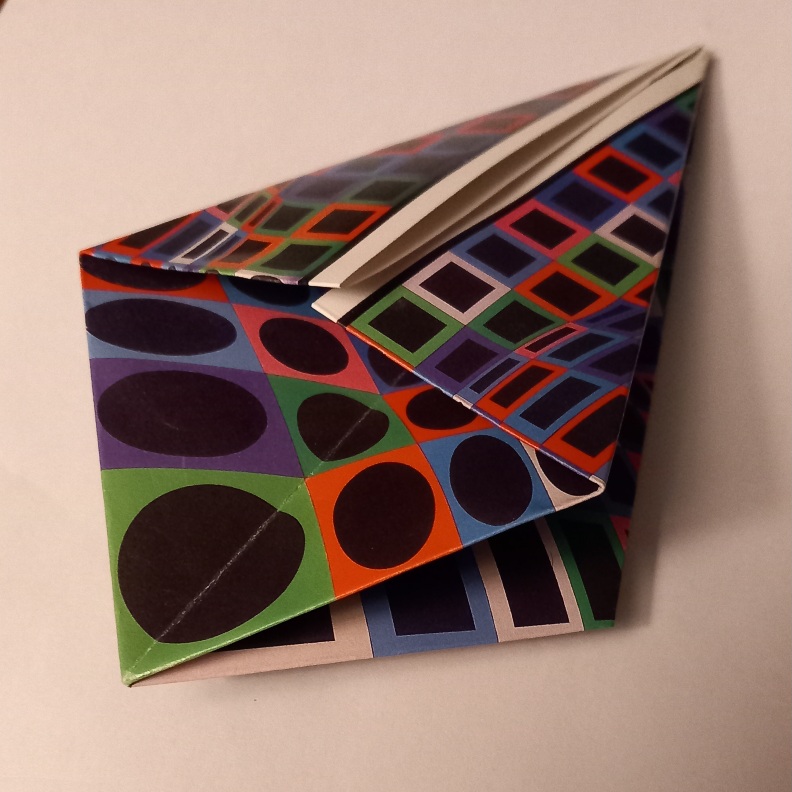
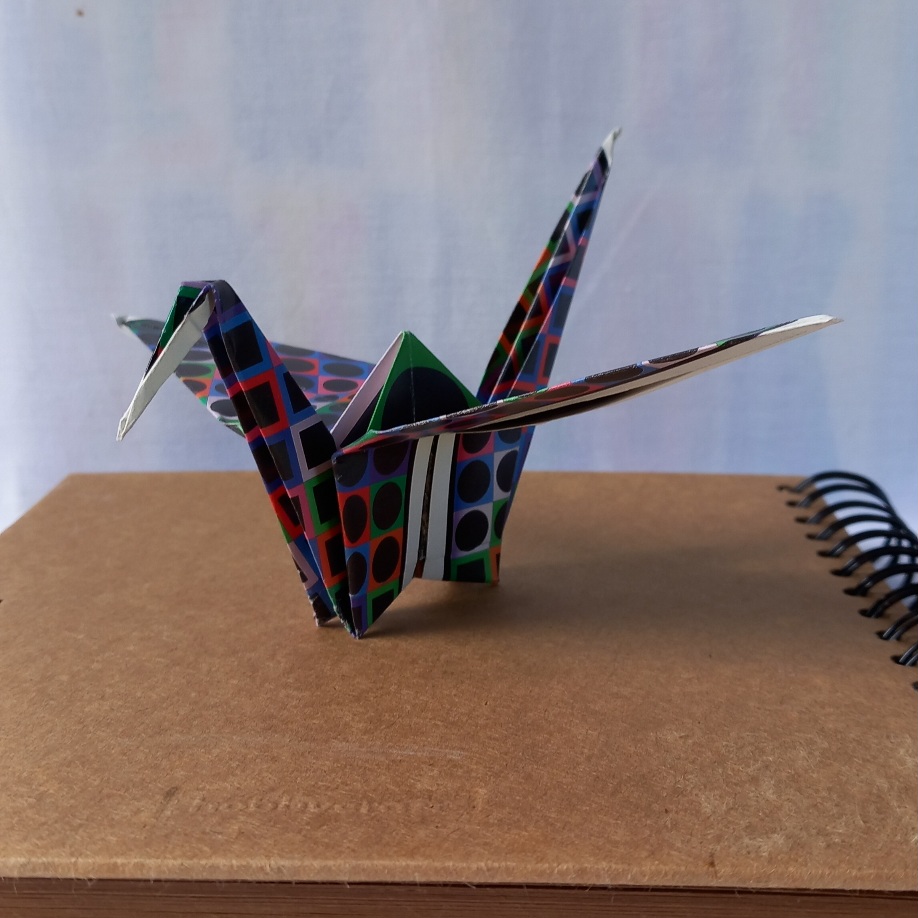
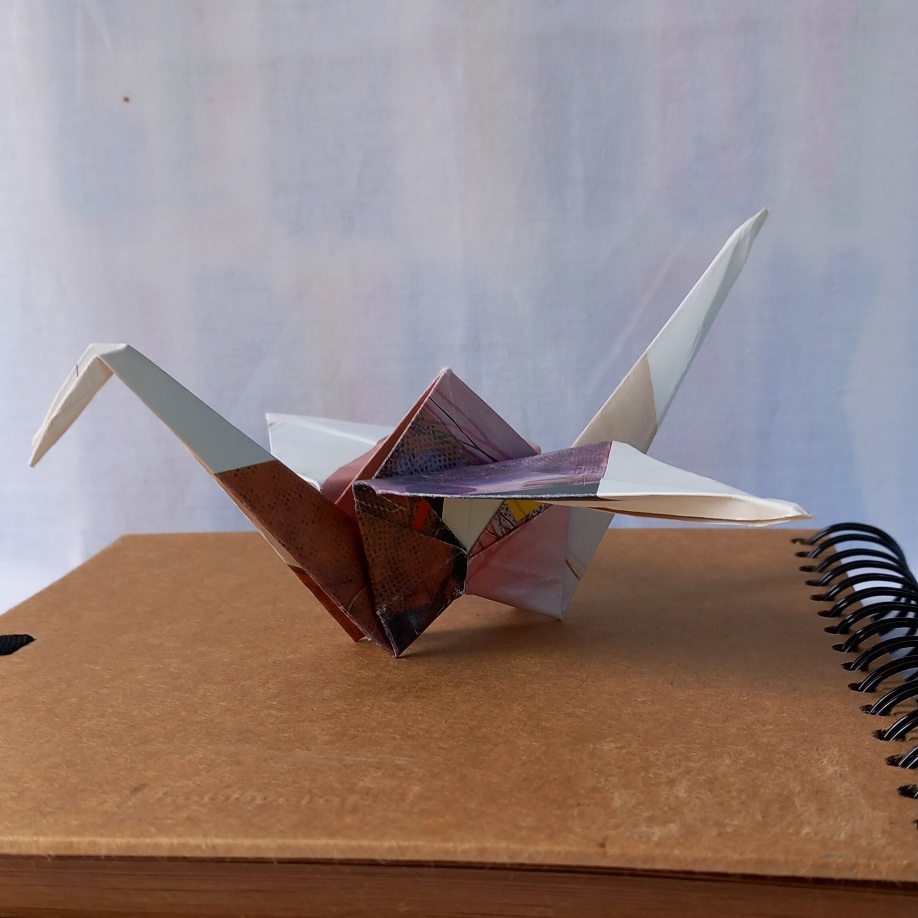
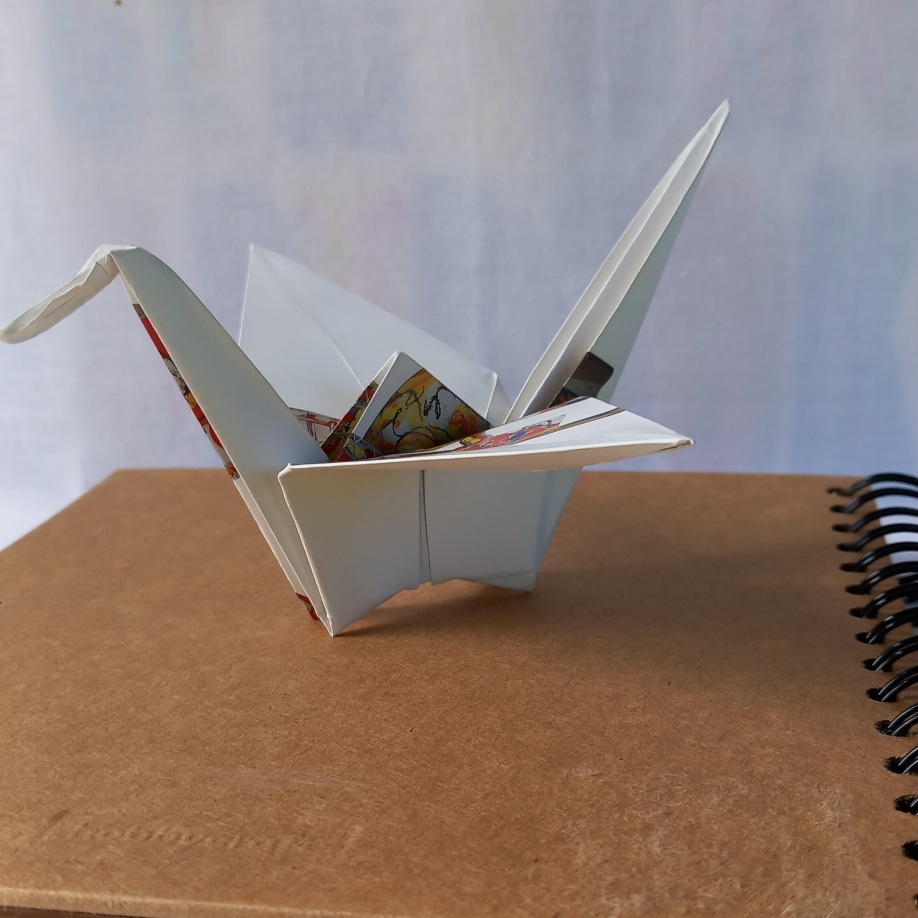
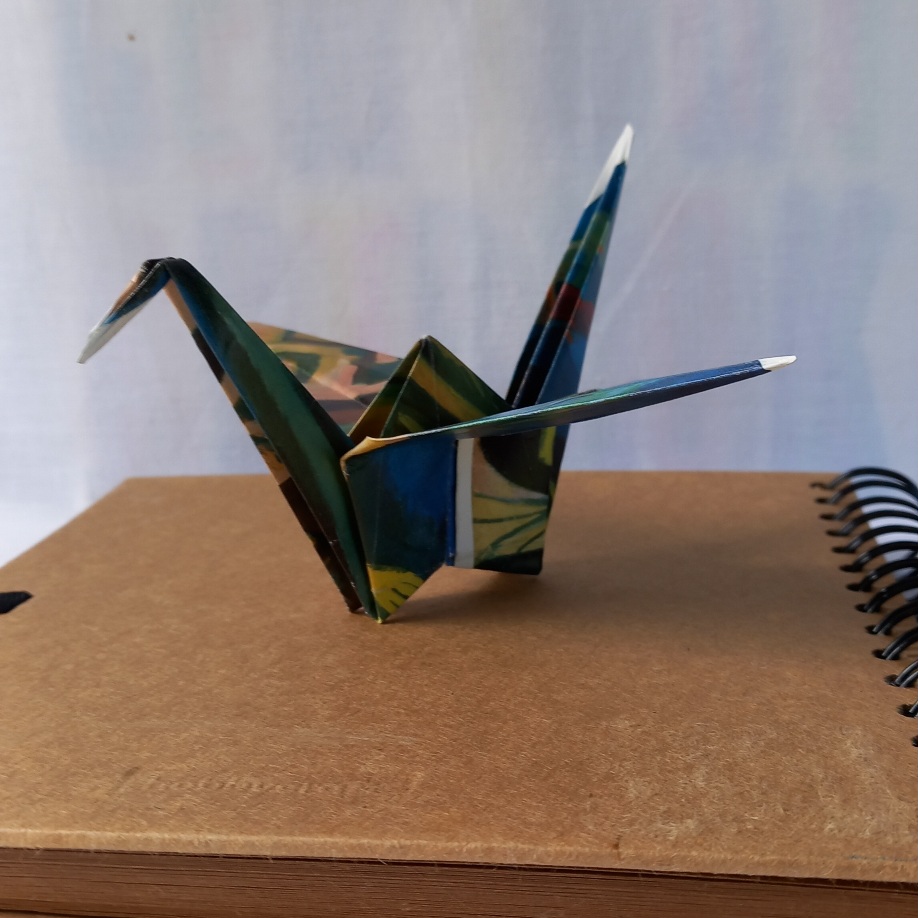
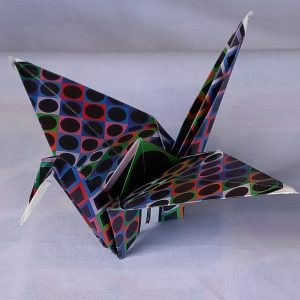
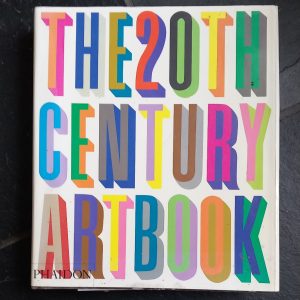
While I was doing some sorting out recently I came across a copy of The 20th Century Art Book. A heavy volume with a plentiful supply of great art images. The pages are almost square in format. It was a book I no longer had a use for and it would have gone to the local charity shop or telephone box book exchange. But with origami on my mind it was an obvious choice to use some of the pages and see what happened.
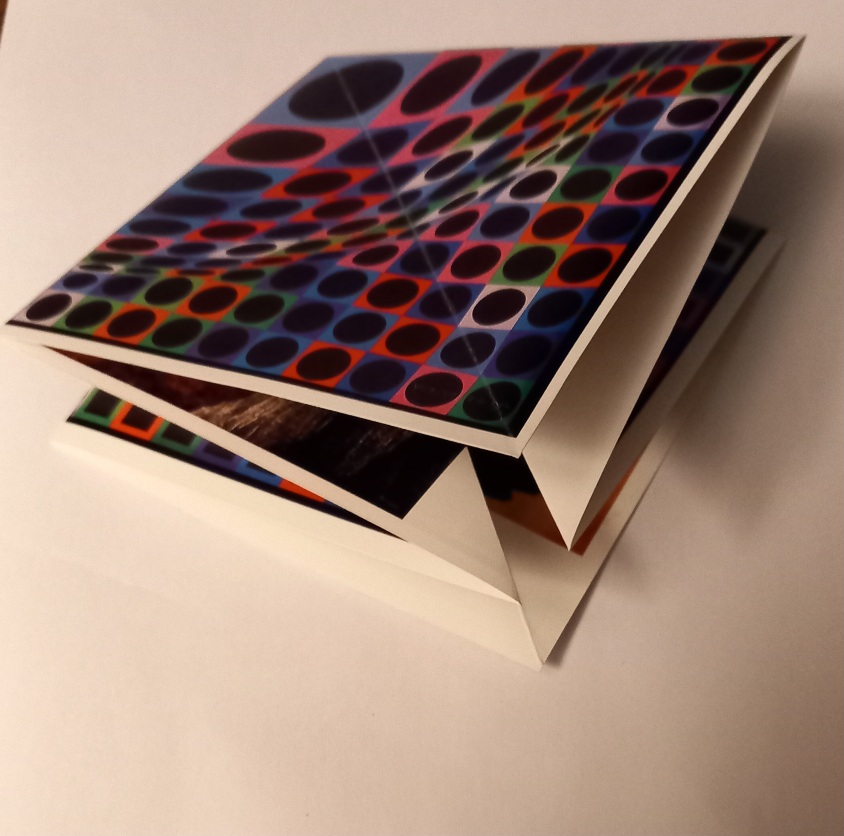
I found the paper thicker than expected and as I began to make my initial folds I was unsure how successful it would be. But I had made a start and I just had to keep going.

How to make an Origami Crane

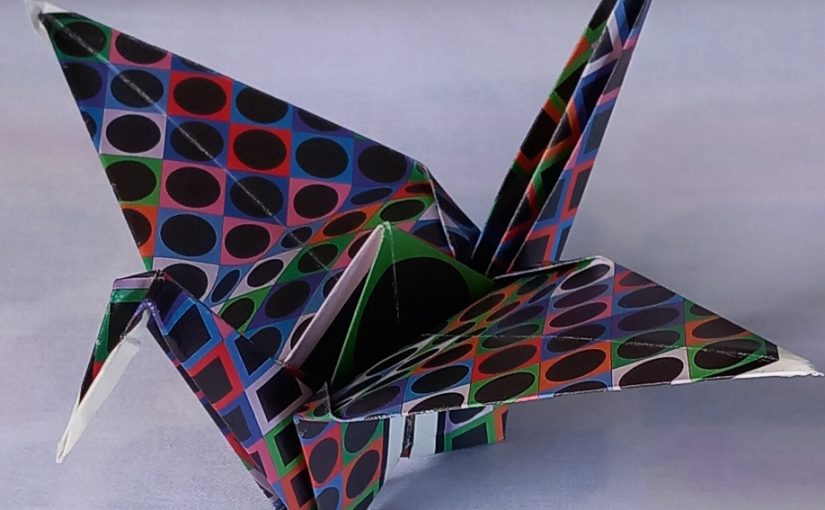
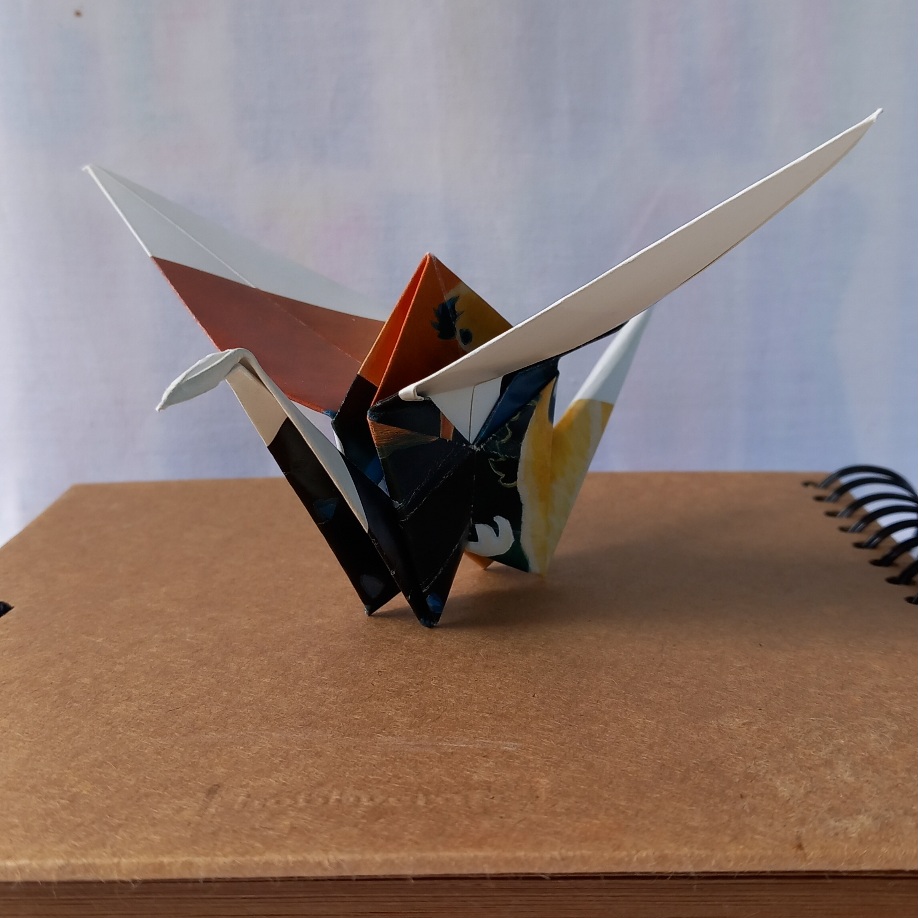
Following on from some research I decided I wanted to make cranes. The crane, or orizuru as it is known in Japan, symbolises hope and peace. It is also regarded as the “bird of happiness” in Japanese culture.

There was no shortage of instructional material and videos to guide me through the folding process. This video was excellent and after two or three viewings accompanied by my piece of paper I felt confident to continue by myself. I could not help but notice the attention given to the accuracy of folding neatly into the corners.

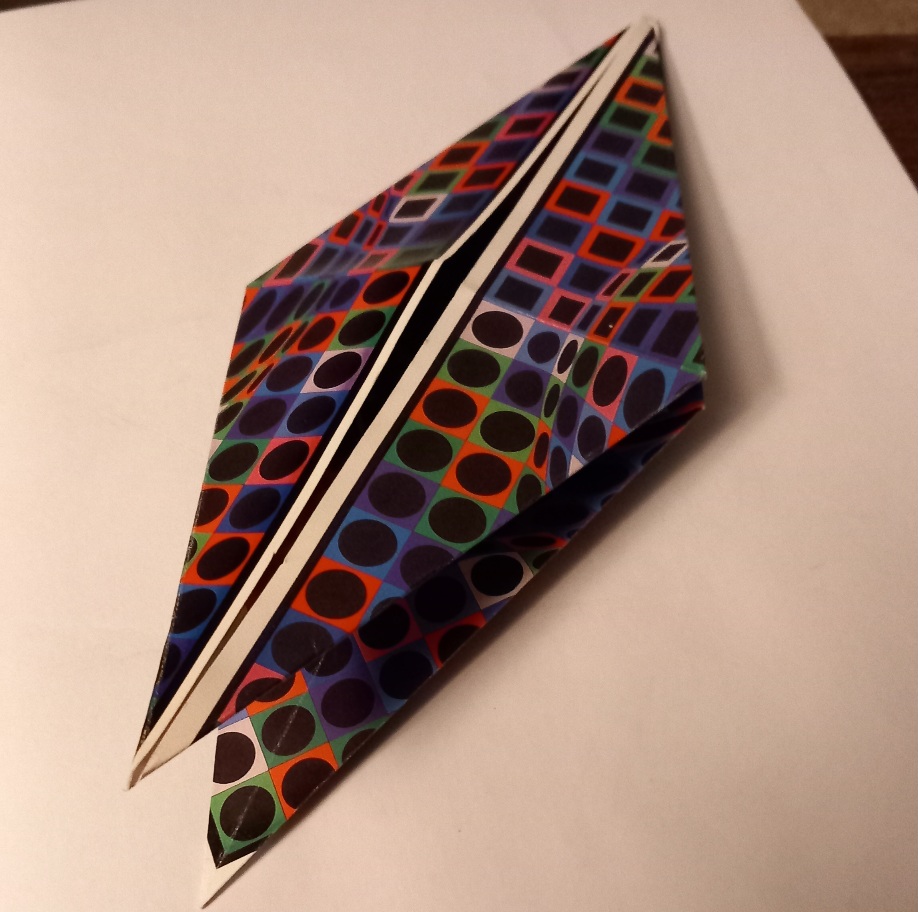
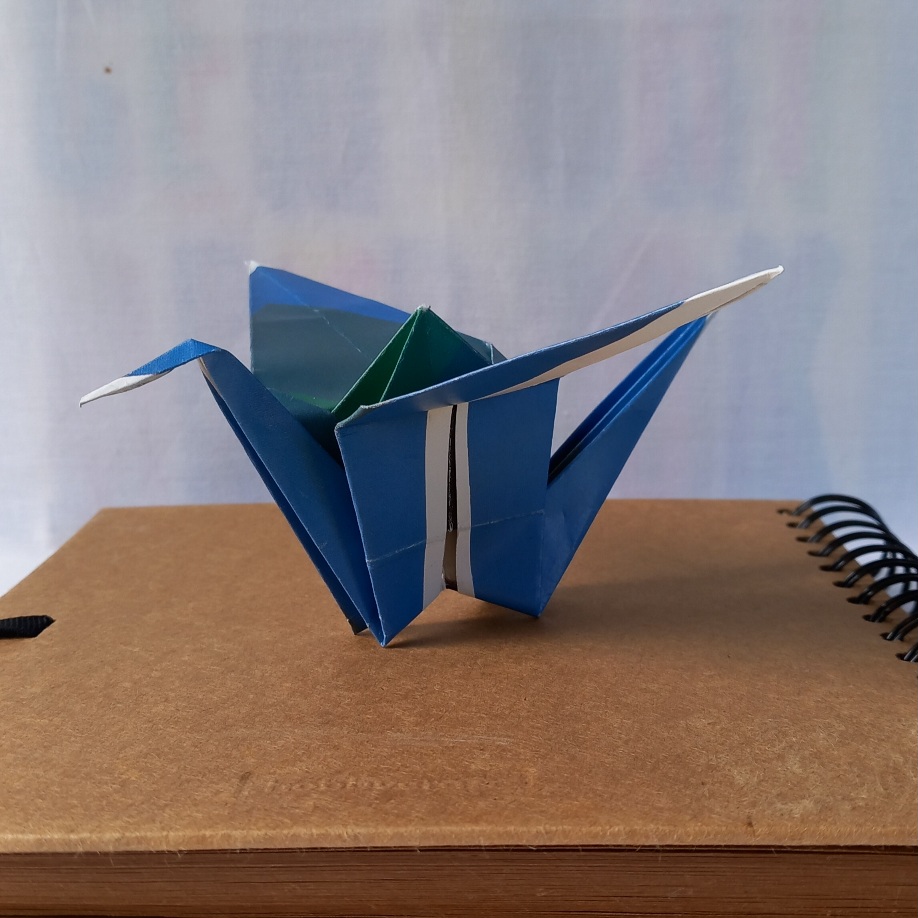
Here are some images of the stages of my folding and making.
Repetition

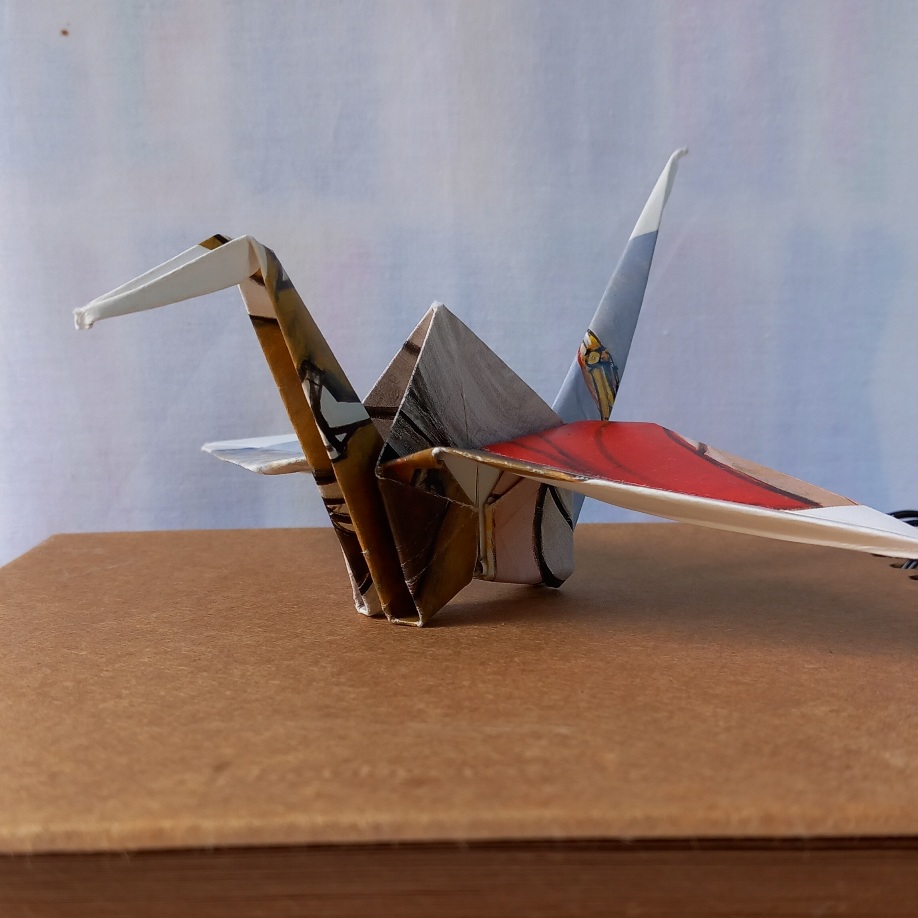
Repeatedly making the cranes was very relaxing. Using paper with different images on it make the outcome always a little different. My skills of folding and paying greater attention to the accuracy of each fold improved as I made more and more.

As a result of this week’s challenge I have been asked to do a session for a local community group later in the month. I will need to perfect my techniques even more now. I can then enable everyone who attends to get the most out of the workshop and hopefully be confident enough to make some more when they go home.

All of the cranes are now hanging in my studio and have made a welcome addition bringing peace and happiness to my working environment. I admire them every morning when I walk in.
2023 My Weekly Project

Week 22 – Go and Look for Shadows

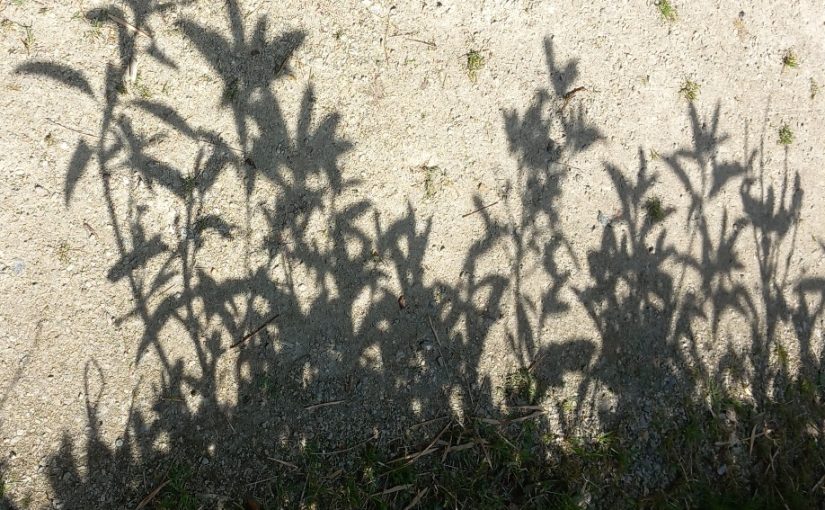
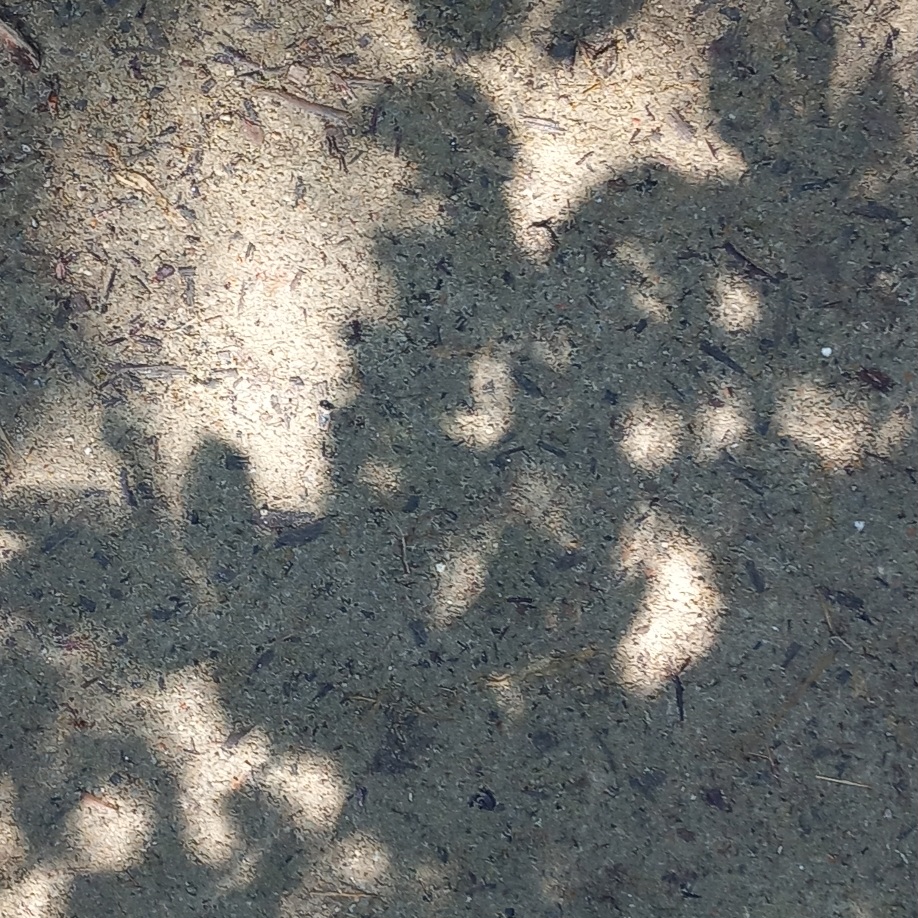
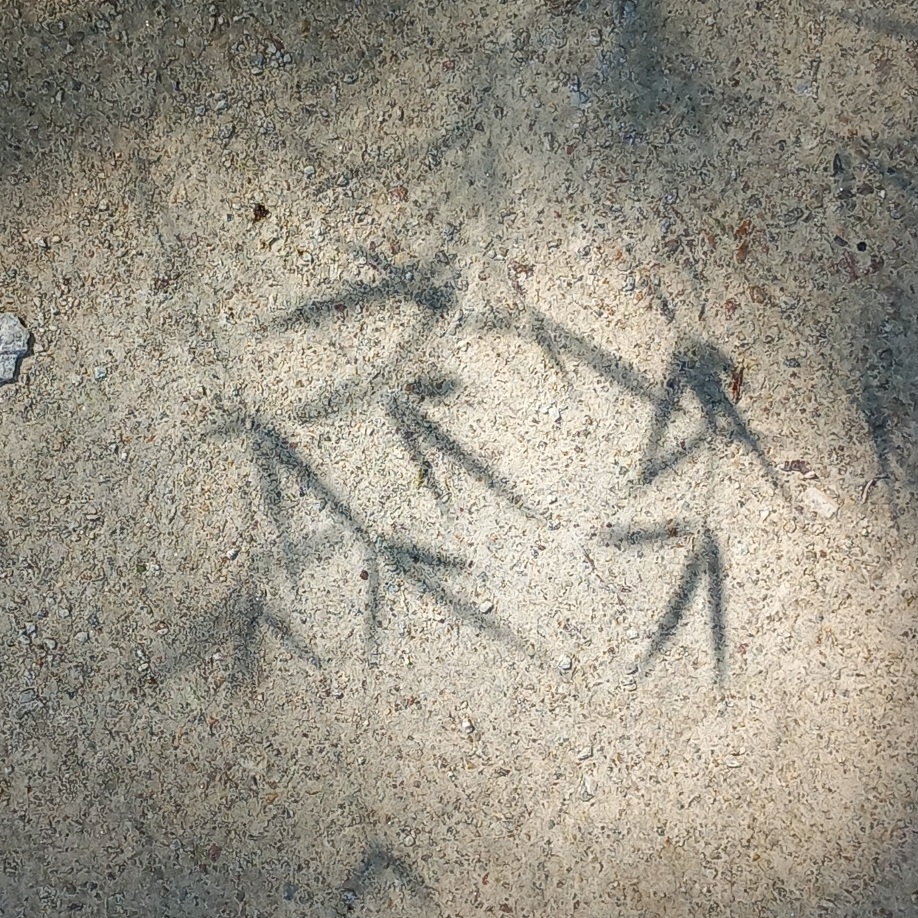
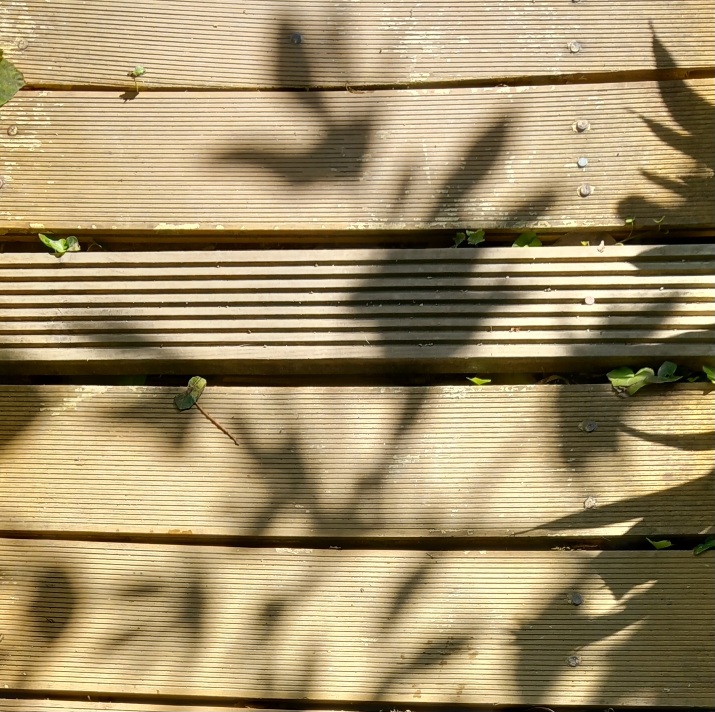
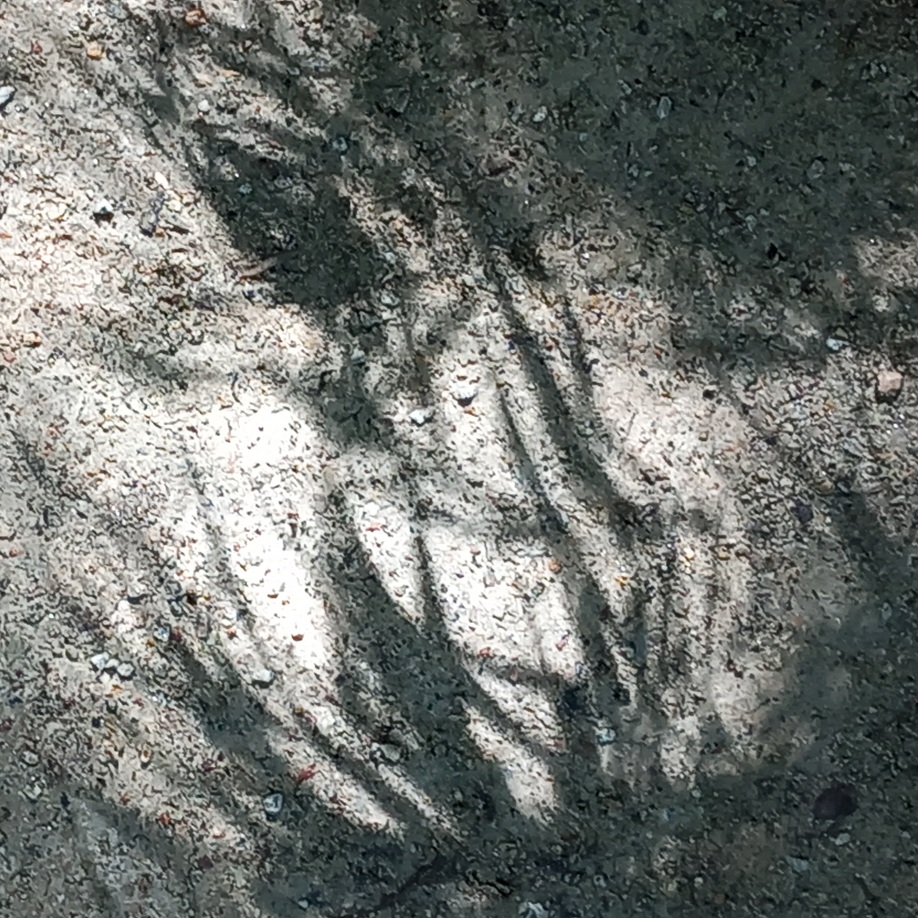
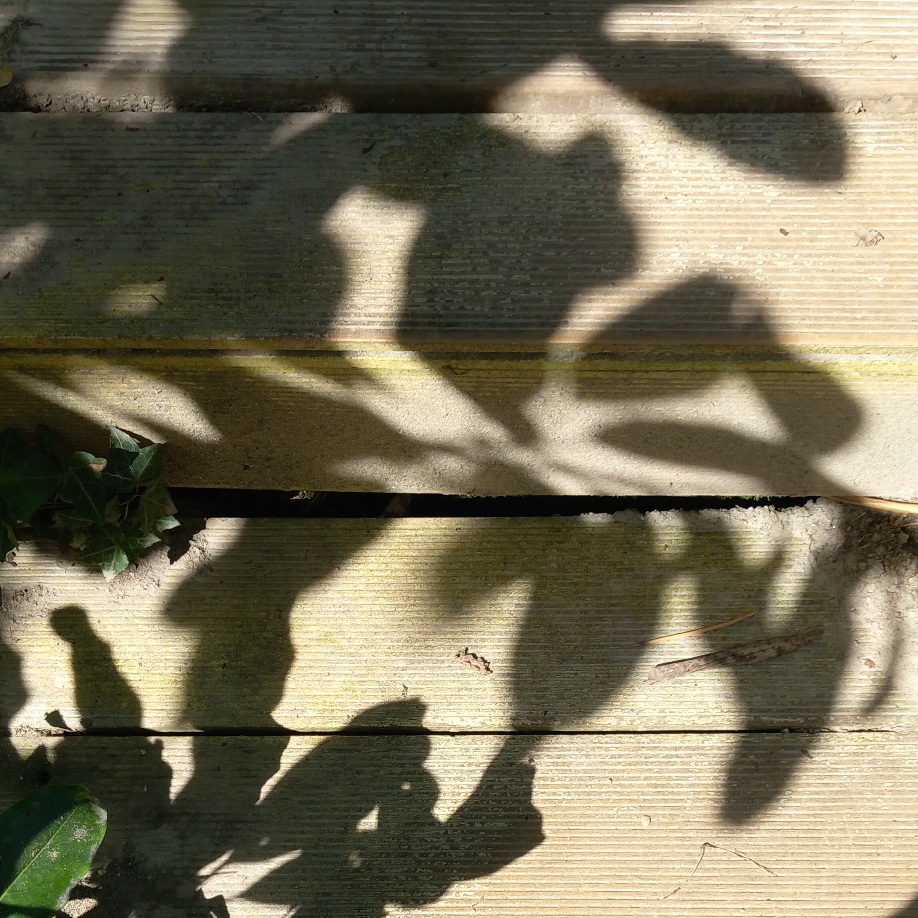
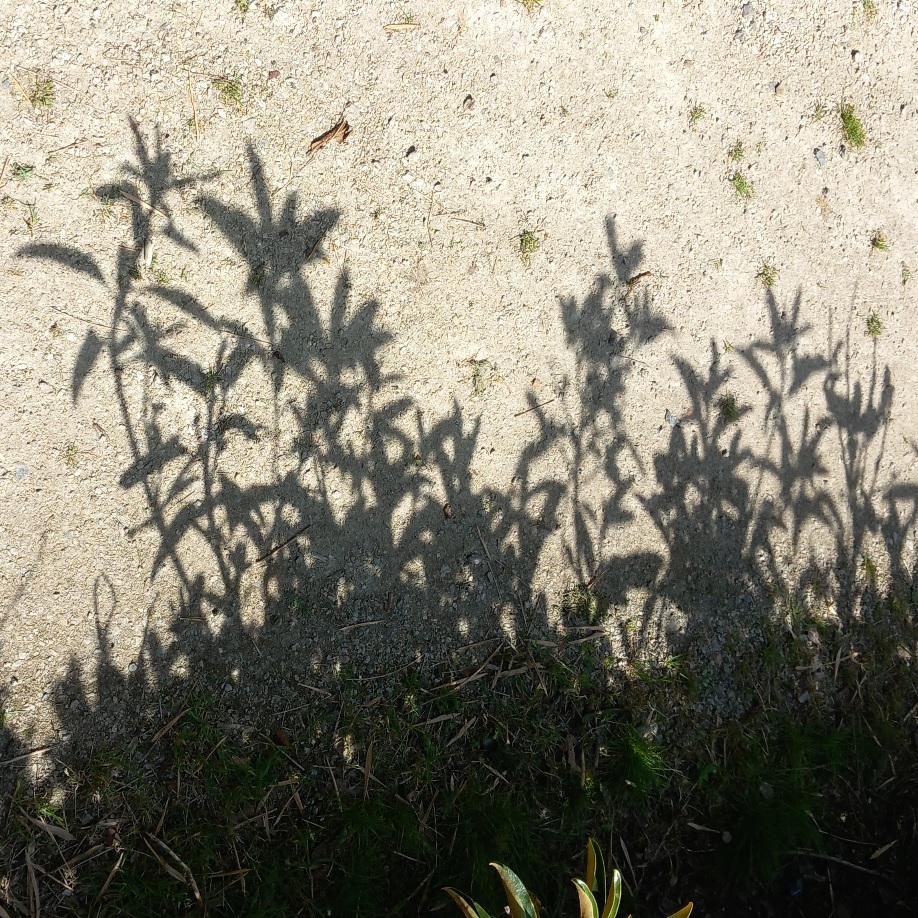
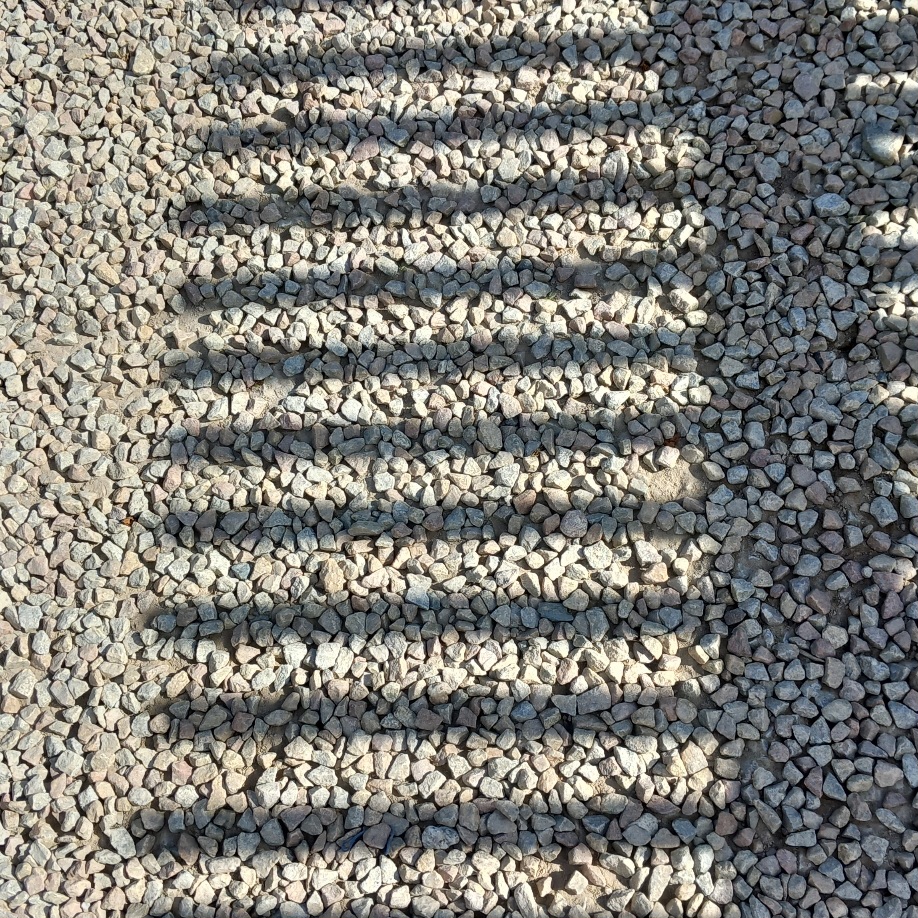
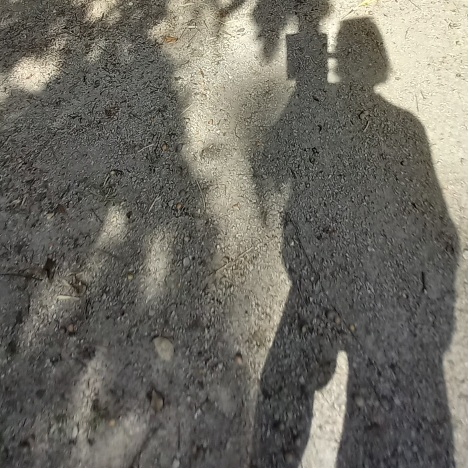
On a recent day out to the delightful Tremenheere Sculpture Gardens at Gulval, near Penzance I became aware of the wonderful shadows that played out on a variety of surfaces.

The more I looked the more I saw. Shadows are so engaging but often they are overlooked as a source of creative inspiration in their own right.

The Organic Nature of Shadows

Shadows move and change all the time. They are not static, regular or controllable. They are uncomplicated and beautiful in their own way. They are a form of natural creativity which seems to be effortlessly perfect. They are short-livid or momentary.

One of my favourite books is Wabi-Sabi for Artists, Designers, Poets and Philosophers

Wabi-Sabi is a Japanese aesthetic. It acknowledges the beauty in things which are unconventional, humble and modest. It recognises the incomplete, imperfect and impermanent.

I feel that these photographs of shadows are a fine example of Wabi-Sabi.

Surfaces

Prior to walking around the gardens I had visited the exhibition in the gallery. By sheer coincidence I had begun to think about sourcing alternative surfaces on which to progress my own work.

Shadows play out on a variety of surfaces. Gravel pathways, rocks and stones, leaves, grass, wood, walls, metal and fabric. It reminded me of the time I used solar dyes to make some images from the plants in the garden at home.

They can appear wispy and delicate. The forms can overlay and overlap for intensity. There can be fine lines, blocks of form and imaginative imagery.

Surface texture with its own line, indentations, spaces and existing patterning can add further to the creative dimension.

Once I had seen a number of shadows I just kept seeing more

The Big Green Grasshopper and the Potted Plant

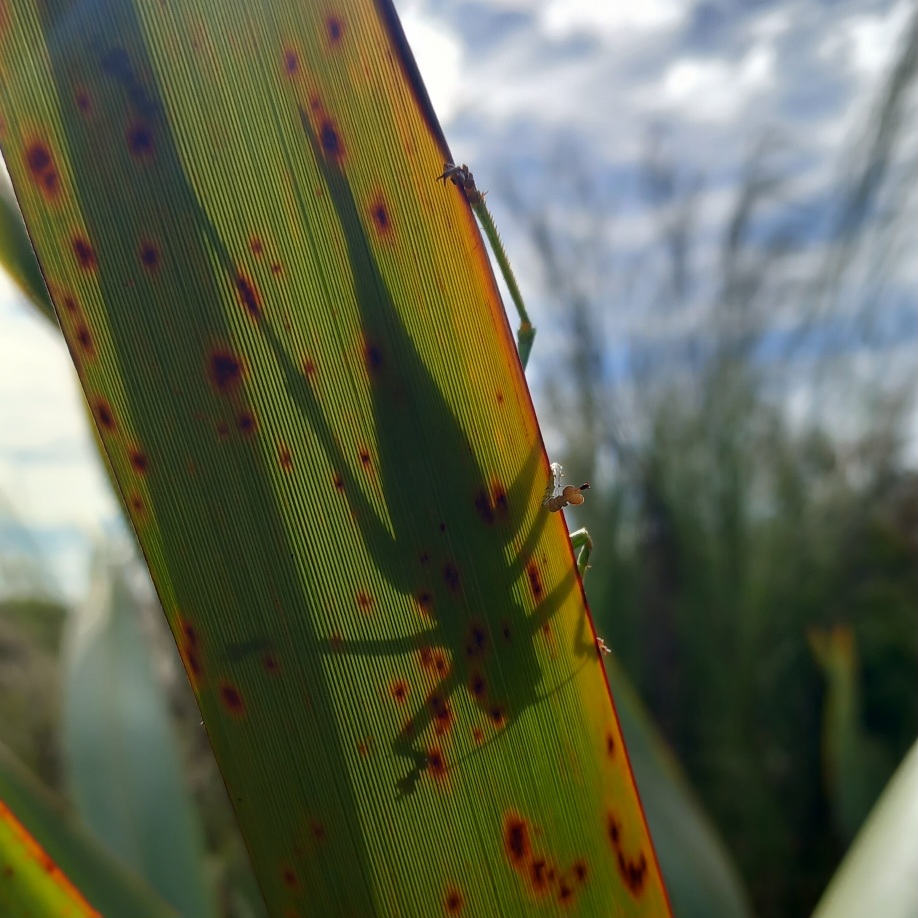
To my sudden surprise and delight I spotted a large grasshopper. I tried, as we all do, to capture a good clear photograph. But it was tucked in on the other side of the vegetation. Despite my efforts to reposition myself on the edge of the border I could not get the “snap” I thought I wanted.

It was then that I saw the shadow.

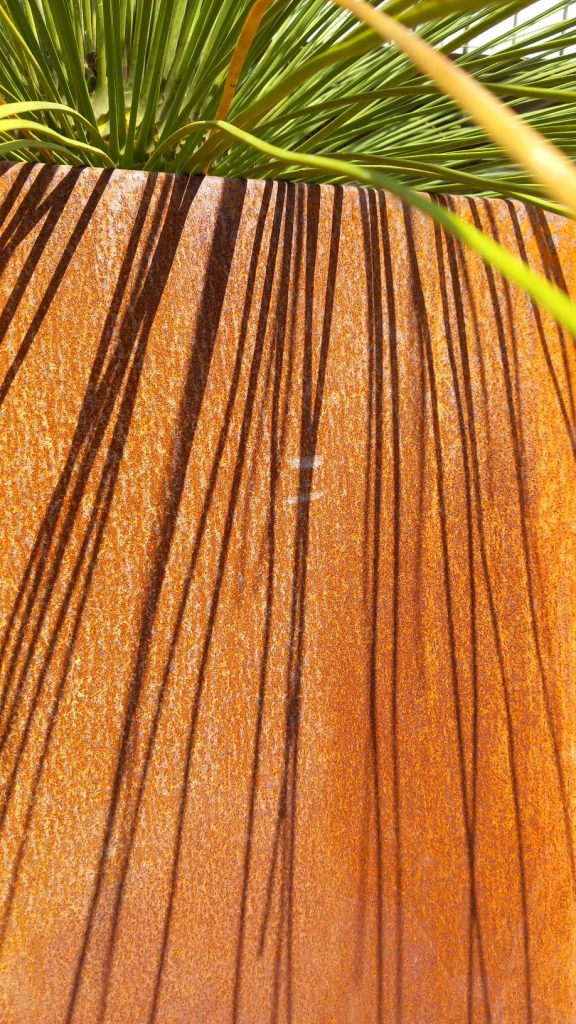
Later on as I was leaving the gardens I glanced across into the plant sales area. The shadow on the side of the metal container caught my eye more than the plant in it.

Two great images to complete my search for shadows this week.

2023 – My Weekly Project

Week 21 – Frame a View Somewhere New

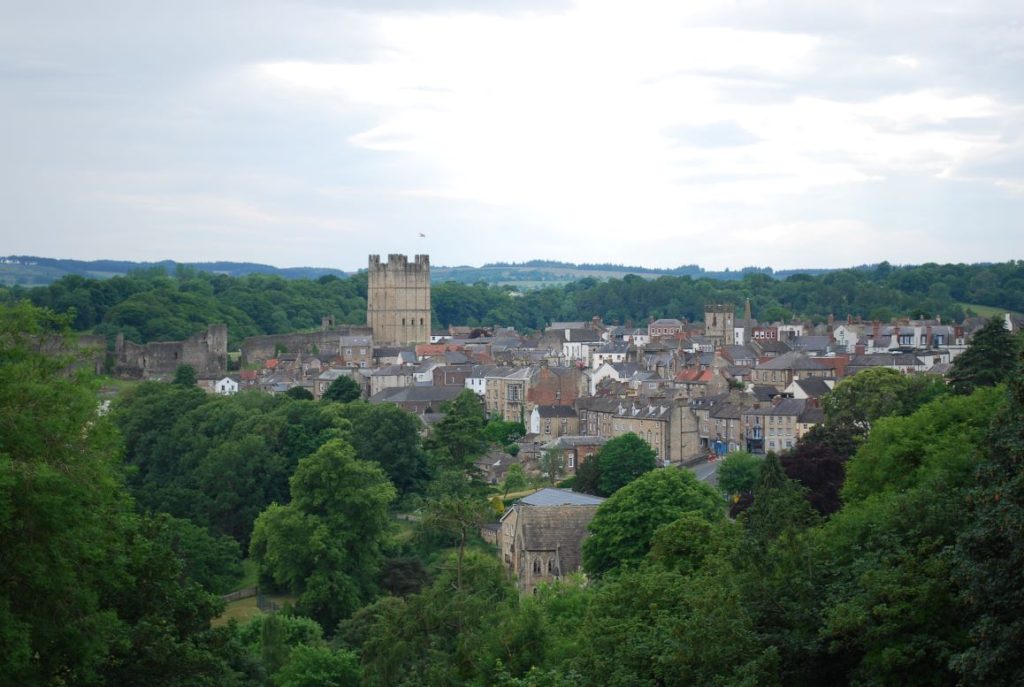
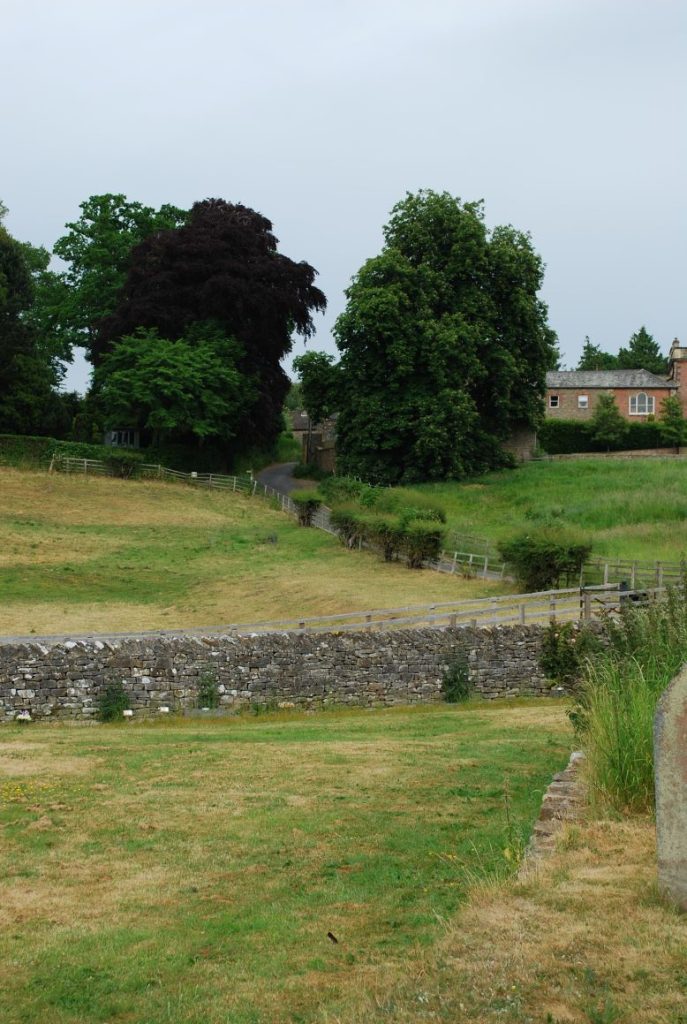
It’s so refreshing to visit somewhere that is new and unexplored. Recently I took a trip to Richmond in the Yorkshire Dales. I have never been to Yorkshire. Richmond is a market town with the largest cobbled market square in Europe. It has the oldest theatre in the country and is known as the “gateway to the Dales”.

Framing

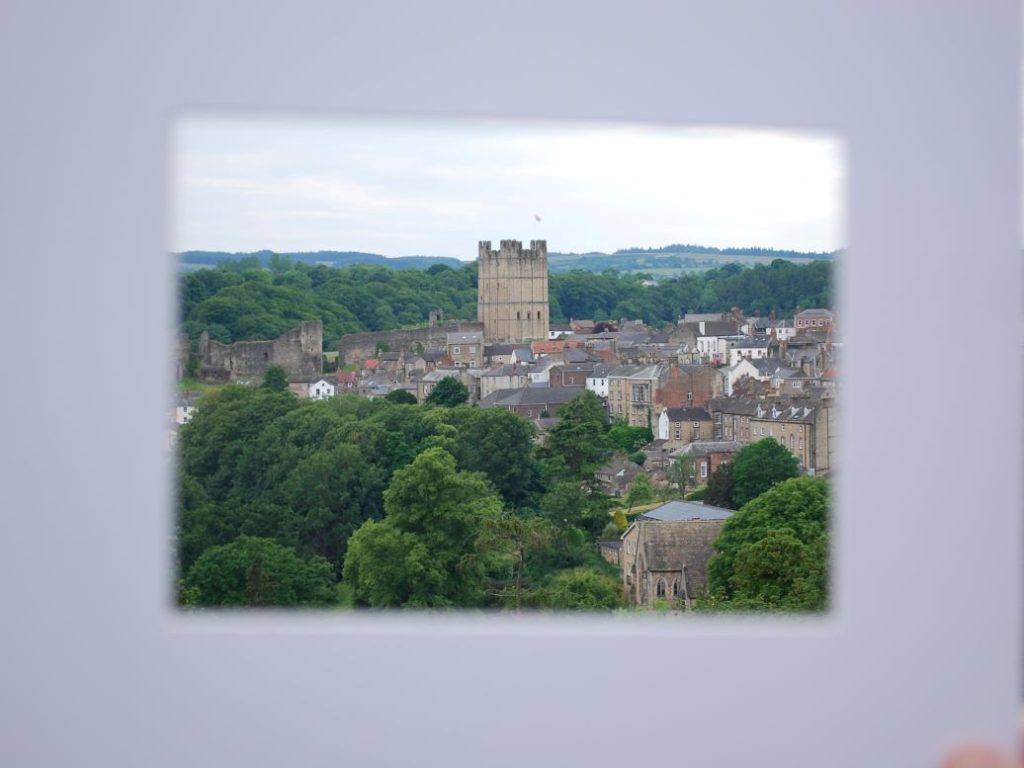
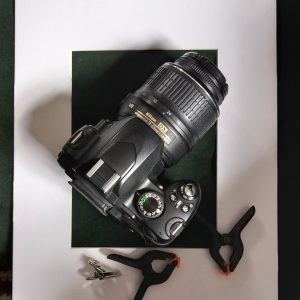
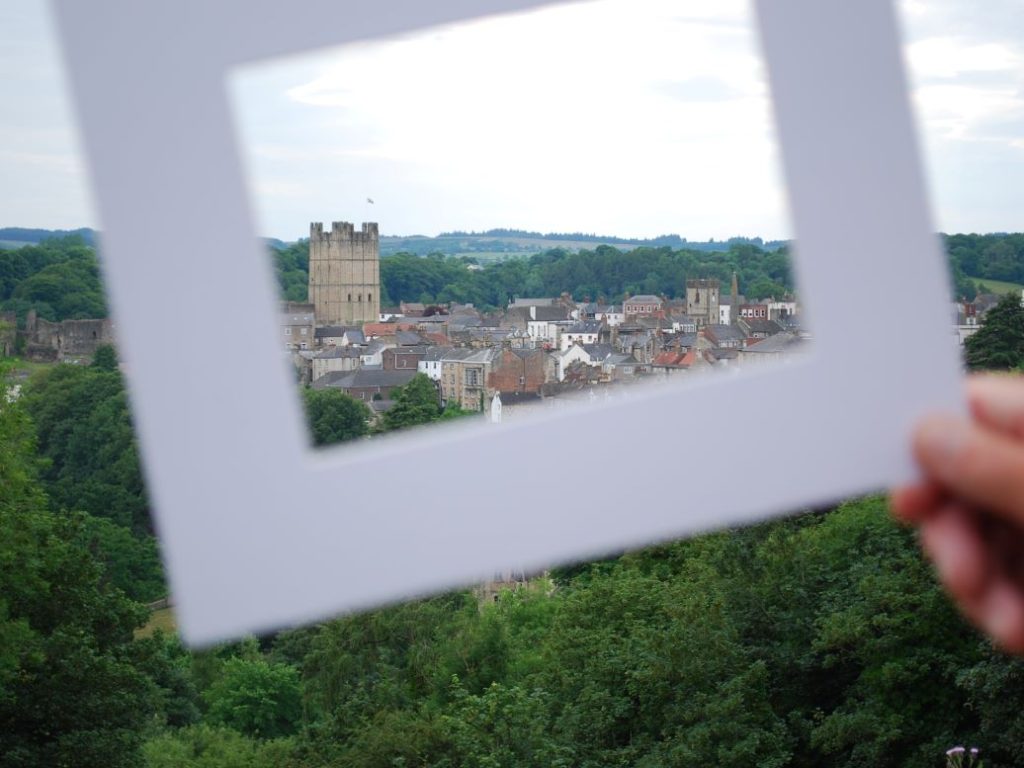
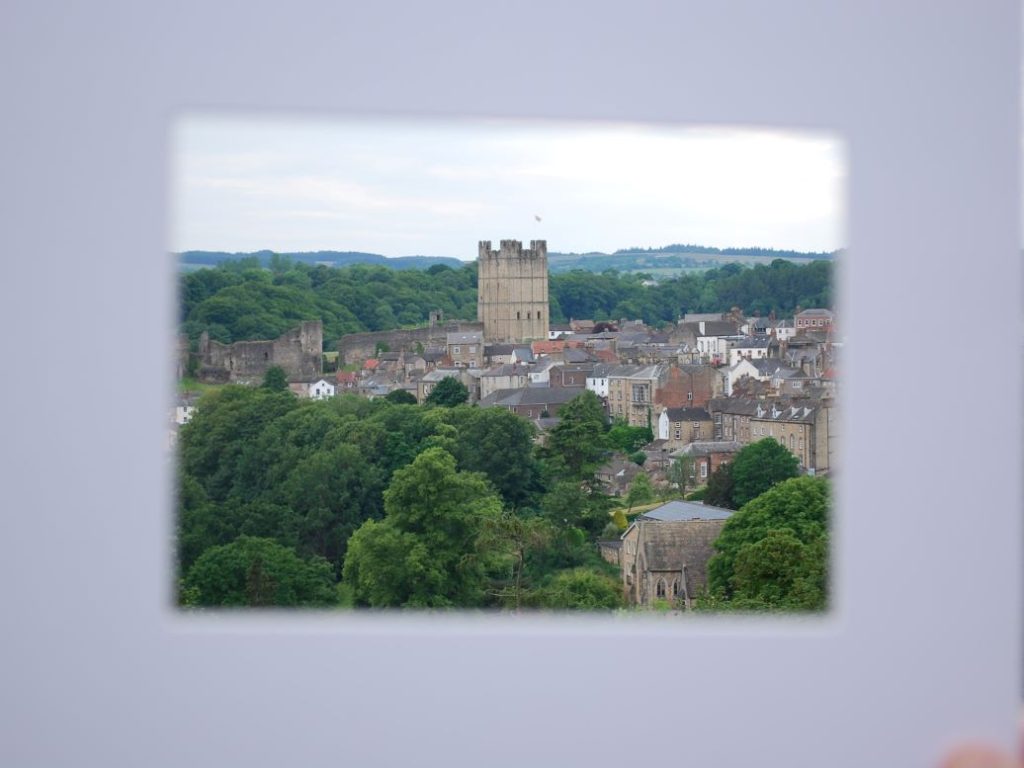
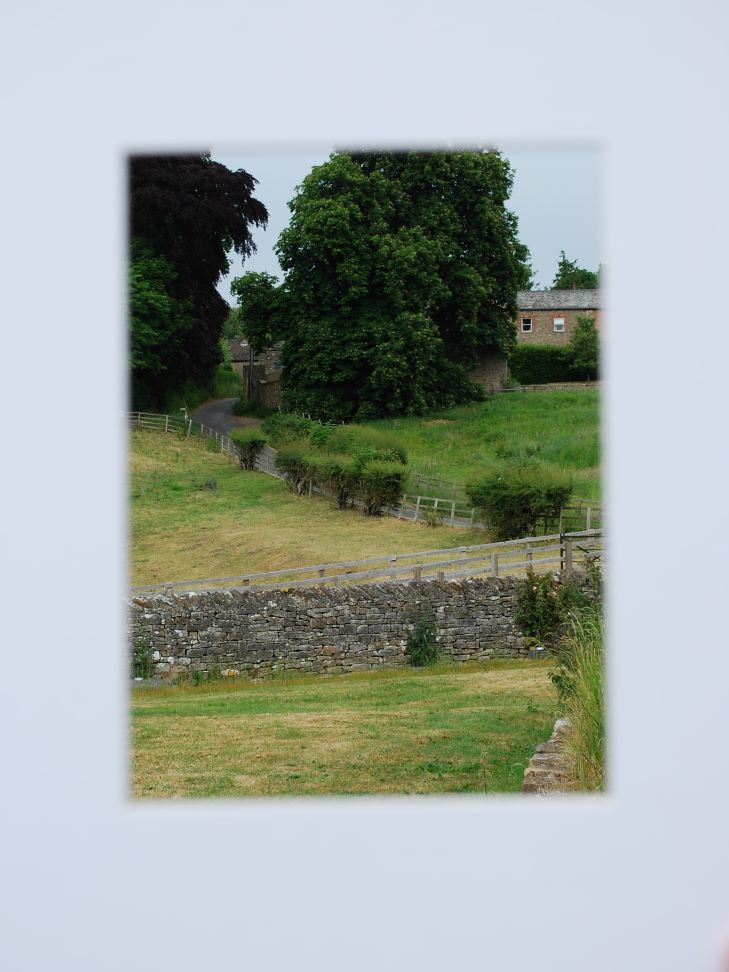
All too often we use the camera to “frame” the image we want to capture. For this exercise I took a frame with me and included this in the photographs I took. Fortunately my husband was with me and he held the frame. Otherwise I had a couple of clamps to use if I was able to find something to fix them to.

So Much To See

Taking in a new view can be quite overwhelming. Especially one which was admired and painted by JMW Turner. This view of Richmond Castle from Maison Dieu is a landscape to inspire any artist. Turner visited Richmond in 1816 and apart from the natural expansion of the town over the years it is little unchanged. The castle remains the main focus.

Simplifying the View

The mountboard frame I took with me was possibly larger than I needed. However it proved quite effective. Having someone to help was a great advantage. It was quite challenging to get the camera and the frame parallel with each other. Maybe next time I will just clamp the frame to a support and take whatever image is within the frame.

Another project for another day.

2023 – My Weekly Project

Week 20 – Air Dried Clay

This week is an opportunity to try out some air dried clay.

The packets are not very expensive and easily available. There is enough to do some experimental work without being left with excessive amounts of unused material. The great thing is that it dries out naturally so no need for a kiln.

Modelling or Impressions

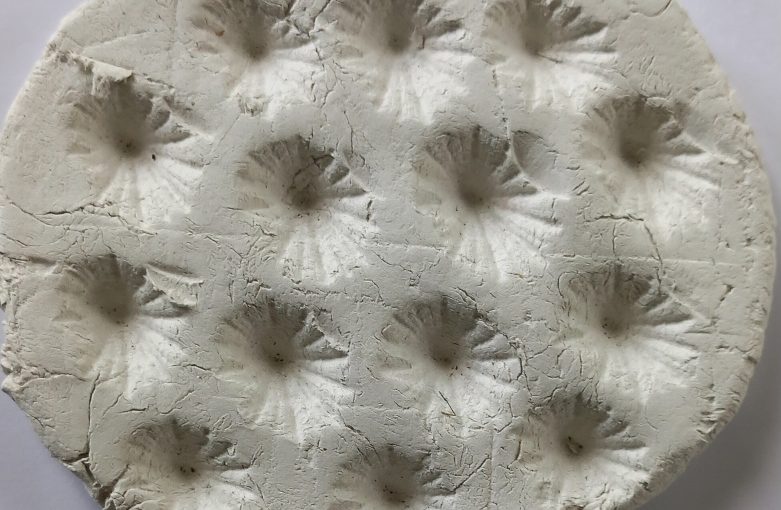
I made one of my rare visits to the beach recently. As is usual in all environments I am naturally drawn to plant life and natural materials. So I selected some seaweed, a small rock and a couple of shells.

The air dried clay has to be worked within a time span. Any unused material needs to be tightly packed up again. So I made the decision to work the entire contents of the packet on this occasion. It was clean to use. It was easy to roll out. The impressions took well and looked clear. It did have a tendency to dry out the more I handled it and reused it though – just like pastry!

Recording and Preserving

My finished experiments were left to dry naturally. On review it is easy to see how this medium can be used alongside photographs, notes and drawings in a project. Or as a means of recording a biodegradable material such as seaweed.

This can easily be used to expand ideas and there are websites offering all sorts of additions and information on this product. But before you look at all the creative possibilities my advice would be to keep it simple. Purchase one packet of air dried clay and see what happens. Just like child’s play it is good for all of us, regardless of age or ability.